It's easy to think olive oil is just olive oil, with little character or variation from one bottle to the next. But great extra virgin olive oil (EVOO) is something else entirely. It's seasonal, fresh and hugely expressive, with every bottle telling the story of where it was grown, the olive varieties it contains and how it was made.
There are over 100 varieties of olives for olive oil and they all have distinct flavour profiles and characteristics. Some smell like tomato vine and cut grass while others are as spicy as a fresh radish. Some even surprise you with hints of tropical fruits such as papaya and banana. It’s this huge diversity that makes tasting and getting to know great EVOO endless fun.
As an olive oil sommelier, I spend my days tasting olive oils, exploring their differences and helping people discover just how exciting they can be. And one of the biggest misconceptions I come across is that there's a single "best" olive oil. You wouldn’t drink the same wine with every meal, so why use the same olive oil?
A delicate, sweet oil might be perfect drizzled over grilled fish, while a robust, peppery one can transform a bowl of beans or finish a steak beautifully. Choosing the right olive oil is less about finding the best bottle and more about finding the best match for what you're eating. I want to teach people not just how to identify really great EVOO, but how to perfectly pair it.
The EVOO Edit
In this piece I’ll reveal what you need to know when shopping for extra virgin, what to look out for flavour-wise (and what to avoid) and tips for getting the most out of every bottle, as well as introducing you to six fantastic EVOOs from Brindisa.
For nearly 40 years, Brindisa has been championing Spanish food in the UK, sourcing from producers who prioritise quality, tradition and flavour. These six oils each have their own distinct personalities, and I'll show you exactly what makes them special and how to pair them with food. But before we dive into those beauties let’s start with the ultimate EVOO 101.
Buy fresh
The first thing to be aware of when it comes to extra virgin olive oil is that, unlike wine, it doesn’t get better with age. It’s produced once a year, in October - January in the Northern Hemisphere, and will taste the most vibrant, fresh and complex just after the harvest. As the year progresses, a good oil will still be lovely, but may mellow in flavour and lose some of its healthy compounds. Because of this, it should be used harvest to harvest and not stored for years in a cupboard or sold if it’s several years old.
Single origin
Single origin means the olives were grown in one place, such as a farm, estate or region, and not sourced from multiple different countries. This means the olive oil will be fresher as the olives can be milled more quickly and will offer more of an expression of where they come from.
Low acidity
Acidity in olive oil has nothing to do with an acid taste but instead measures the presence of free fatty acids in the oil. To be classed as extra virgin this number must be less than 0.8%, however many outstanding extra virgin olive oils have values closer to 0.2 – 0.3%. Low acidity is an indicator that the olives were very carefully handled and not damaged or spoiled before or during processing, though oil still needs to pass a sensory test.
What flavours and aromas should you look for?
A quality EVOO should have fresh plant aromas. These can include many things, including cut grass, tomato vine, green apple, herbs, fresh almonds and so on. As a general rule, if an oil is “early harvest” (meaning it’s made from olives harvested at the start of the season), it’ll smell of greener, less ripe plants, and if it’s “late harvest” it have ripe fruit aromas such as red tomato, banana and even papaya.
On the palate you’re looking for fruitiness (which again can be a “green” fruitiness), bitterness and some pungency. They don’t all have to be turned up to 10, but you want to be able to detect they’re all there.
What’s a red flag?
Anything musty and damp-smelling is a bad sign. Equally if the oil smells waxy, rancid or like crayons it’s no good and likely old. Winey, vinegary or fermented aromas are also defects, caused by olives that have begun to ferment before milling. And if the oil smells flat, like absolutely nothing, it is not what you want. Freshness is the absolute key so if it doesn’t smell and taste fresh you know it’s not quality. Another thing to look out for is a greasy mouthfeel. Quality EVOO leaves the palate clean, not greasy.
What differentiates an exceptional EVOO from a mediocre one?
For me, an exceptional EVOO is all about harmony and complexity. I love it when there’s a beautiful balance between fruitiness, bitterness and pungency, and when you can pick up on multiple different tasting notes. Another sign of quality is persistence – you want the beautiful flavours to linger a little after you’ve sipped the oil.
Varieties and regions
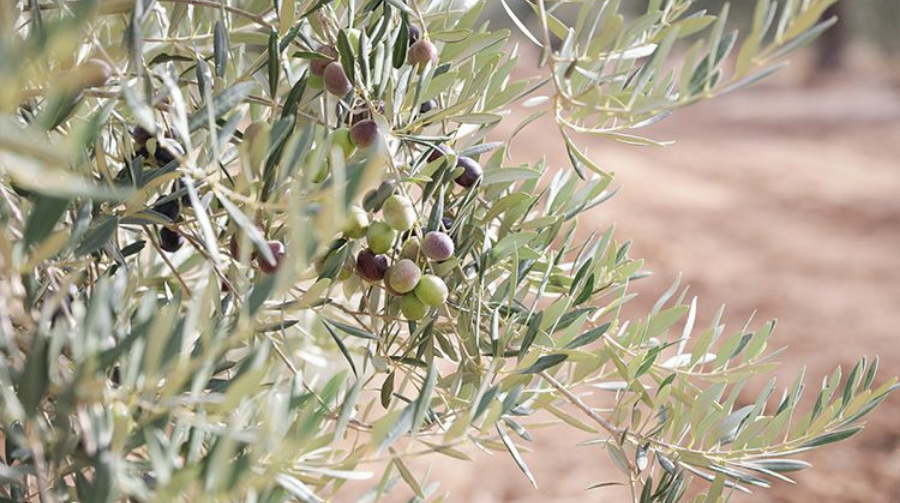
The International Olive Council estimates there are 139 olive varieties (cultivars) that are used for making olive oil – there are over 1,000 olive types in total but not all are used for oil-making. These cultivars are grown in 23 countries around the world, but the countries that produce the most are Spain (in first place, accounting for roughly 40% to 45% of total global production), Turkey, Tunisia, Greece and Italy.
One of the most common varieties from Spain is Picual – a high-yield olive with high levels of polyphenols (healthy compounds). In fact, it’s thought that Picual olives make up nearly one third of the world’s olive oil. It’s known for its robust flavour and distinct notes of tomato vine. Another popular cultivar is Arbequina, which is milder, more fruity and low in bitterness.
While it’s hard to generalise, because there is so much variation and even the same cultivar can taste different year-to-year, Italian varieties are broadly known for being more bitter and pungent with notes of artichoke and green almond. An example of this would be a Coratina or a Frantoio.
Some EVOOs are made from a single cultivar – a monovarietal – while others are blends of two or more. Both can be equally delightful.
As a food journalist and olive oil sommelier, I’ve noticed the interest in EVOO grow in recent years. More people are interested in provenance, understanding what quality means, and tasting for the nuance between different oils. The EVOO revolution is here and I say, about time.
I set up The EVOO Edit to help connect people with truly exceptional extra virgin olive oils. Below is my edit of the best of Brindisa – all fantastic and distinct oils showing off the very best of Spain.
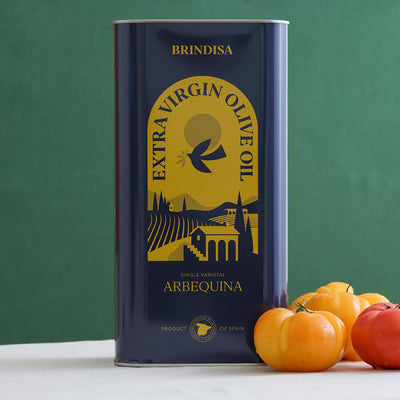
Brindisa Arbequina Extra Virgin Olive Oil
Variety: Arbequina
Tasting notes: Sweet and gentle with beautiful notes of almond and freshly cut grass. This fabulously fruity oil has low bitterness but a pleasant, soft pungency. This is a crowdpleaser but it’s far from boring – in fact, it’s one of the best Arbequina’s I’ve ever tried.
Perfect pairings:
- Drizzled on fresh mozzarella it wouldn’t overwhelm the milky flavour of the cheese
- On a baby leaf salad this gentle, almondy EVOO would be a dream
- Because it’s not too bold this would be lovely on white fish
Brindisa Picual Extra Virgin Olive Oil
Variety: Picual
Tasting notes: Robust, tomatoey and a little tropical with a pleasant tickle at the back of the throat and big bitter notes. This is a bold, confident EVOO that stands out from a crowd.
Perfect pairings:
- Over a peach, tomato and basil salad to accentuate the tomato flavours further
- Drizzled on top of a pasta ragu; the bitter notes balancing the umami of the sauce perfectly
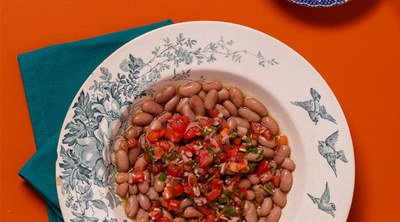
- On top of a hearty bean soup to lift all the flavours
Brindisa North & South Extra Virgin Olive Oil
Variety: Blend of Arbequina and Picual
Tasting notes: This blend of the previous two varieties is super interesting on the palate, offering the best of both olives. There’s red tomato coming through but it’s not as potent as the Picual. I detect some green banana too and enjoy the spiciness you get at the back of the throat.
Perfect pairings:
- Drizzled on tomato spaghetti for an enlivening finishing touch
- Whizzed into a homemade hummus for wonderful fragrance
- Wonderful for crispy EVOO-fried eggs
Recommended by Giulia as an everyday cooking oil.
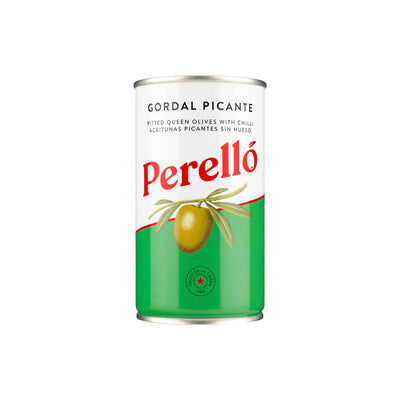
Perelló Extra Virgin Olive Oil
Variety: Blend of Arbequina and Empeltre
Tasting notes: This one took me by surprise. It has beautiful savoury green olive notes and is spicy in a warming way. Sorrel, salad leaves, sage and walnut come through resulting in a delightfully complex and interesting EVOO.
Perfect pairings:
- Gorgeous with the salty, meatiness of anchovies
- On a creamy pea or asparagus risotto
- Or even on top of pancakes with berries for a contrast to the sweet
Nunez de Prado Organic Extra Virgin Olive Oil
Variety: Blend of Picudo, Hojiblanca and Picual
Tasting notes: Totally tropical with passionfruit, papaya and banana. Because it’s so fruity, I think it would be perfectly complemented by a beautifully sharp vinegar (of which Brindisa has many). Despite the sweetness, there’s still a throat-tickling pungency at the end.
Perfect pairings:
- A bitterleaf salad would be balanced by this very fruity oil
- I’d do this on a chocolate ice cream – chocolate is fruity too but also bitter which is what makes it the perfect match
- On Greek yoghurt with some tart berries this would be wonderful
Flor de Aceite Nuñez de Prado Organic Unfiltered Extra Virgin Olive Oil
Variety: Blend of Picudo, Hojiblanca and Picual
Tasting notes: A standout EVOO! Known as the 'Flower of the Oil', this special extra virgin is the first oil to be produced of the season and is left unfiltered to preserve its natural state. It’s floral and fragrant with notes of grass, thistle, bitter broccoli, lemon and herbs. It’s gentle while still complex and has a lovely balance between fruitiness and bitterness, while also offering pleasant pepperiness on the finish. This one is unforgettable.
Perfect pairings:
- Really good warm bread to mop up all the wonderful flavours
- Drizzled on a steak to cut through the fattiness and take it to the next level
- On top of a pizza to offset the sweetness of the tomato and offer an enticing fragrance
A short note on storage:
To best preserve your lovely bottle of EVOO it should be kept in a dark cool cupboard. While it’s popular to display the bottle on the kitchen counter, by the hob, light and heat will degrade the oil so to keep it at its best, hide it away.
To learn more about EVOO you can follow me on Instagram @theevooedit where I share bottle recommendations, tips, reviews and recipes.














 2
2
 10 mins